
OEM Peshtemal Manufacturing
How OEM Peshtemal Production Works in Turkey
OEM peshtemal production is not only about choosing a design. A strong production process includes yarn selection, weaving structure, GSM planning, color development, private label branding, quality control and export-ready packaging.
Buyers new to the category can also review our What Is Peshtemal? guide and our Private Label Turkish Towels OEM Guide to better understand peshtemal positioning, private label development and OEM manufacturing structures.
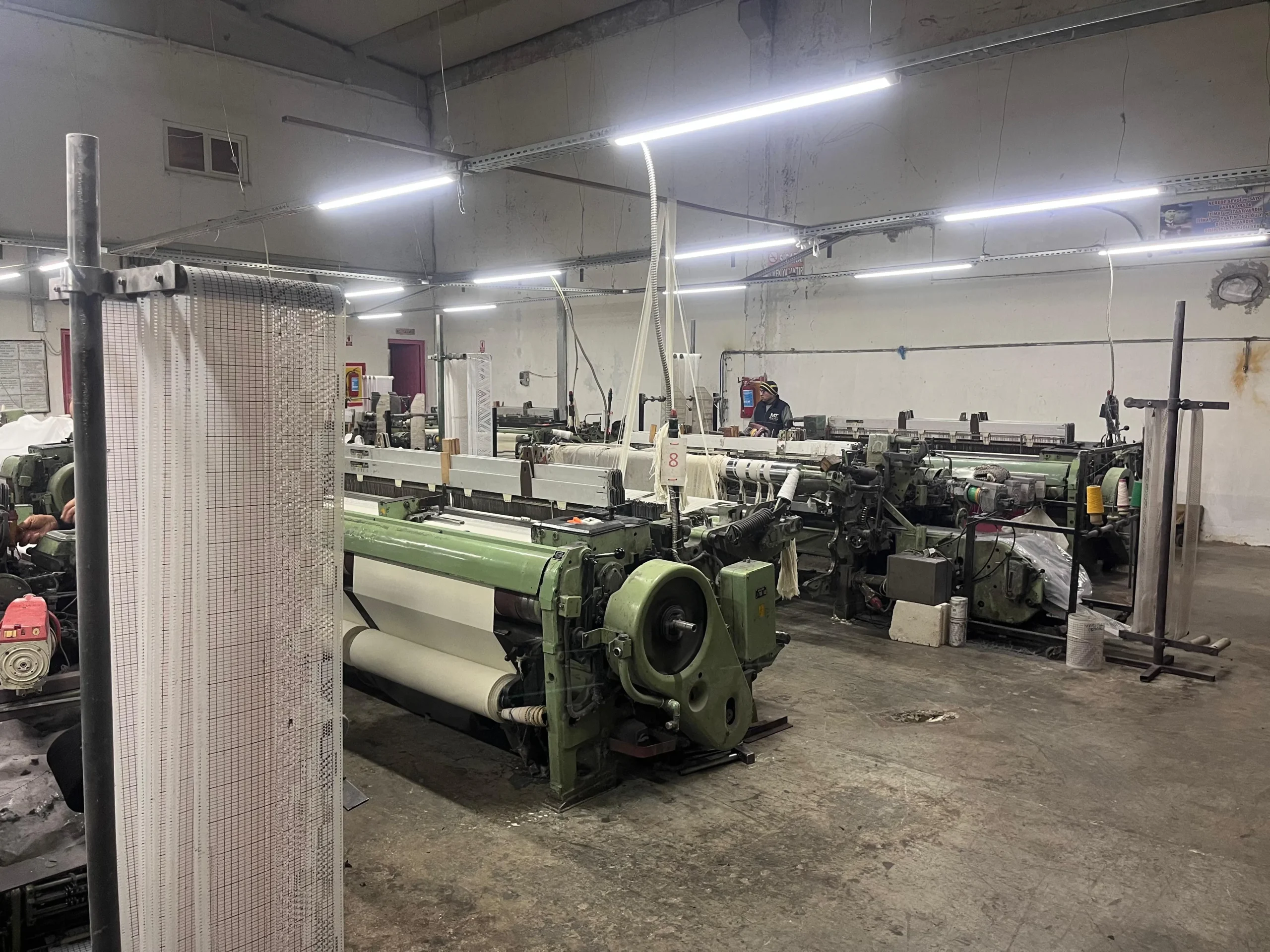
Peshtemal, also known as fouta in many European markets, is a lightweight woven towel used for beach, spa, wellness, hotel and retail collections. For private label buyers, the real value comes from building a production structure that is attractive, scalable and commercially realistic.
OEM Peshtemal Production Starts with the Right Product Direction
Before weaving begins, the buyer and manufacturer should define the target market, intended use, fabric weight, color direction, weaving pattern and branding requirements.
A peshtemal for a beach brand, a spa collection, a hotel concept or a retail lifestyle line should not be developed with exactly the same structure.
Beach & Resort
Colour, softness, quick drying and visual appeal are important for lifestyle positioning.
Spa & Wellness
Soft handfeel, absorbency, natural appearance and calm tones are usually preferred.
Retail Brands
Pattern, packaging, label identity and collection consistency become key selling points.
Yarn Selection and Weaving Structure
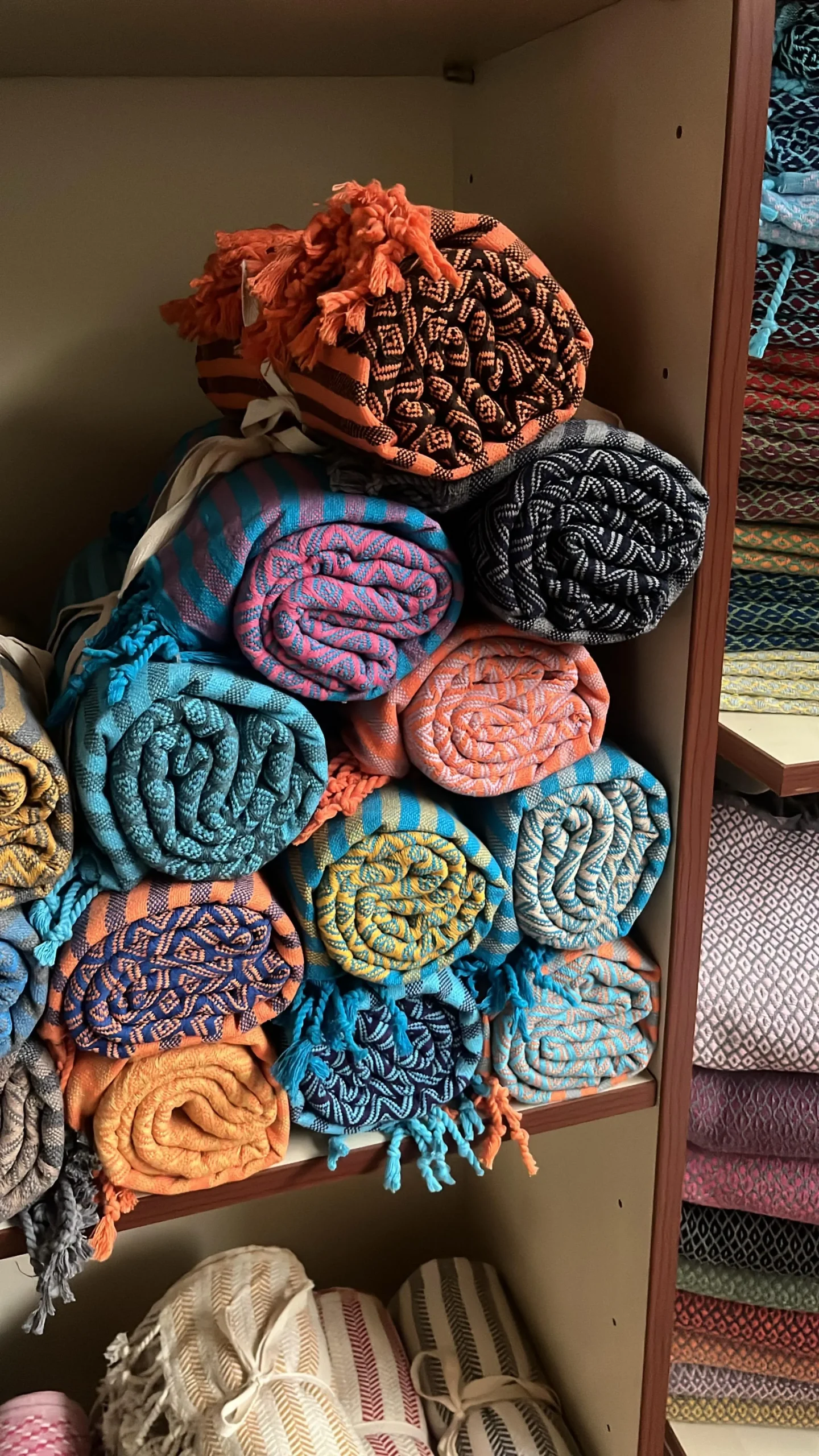
Peshtemal production depends heavily on yarn selection and weaving balance. The yarn affects softness, absorbency, texture, weight and long-term usability.
The weaving structure also determines whether the product feels light and fast-drying, thicker and more textured, or more premium and decorative.
GSM and Weight Planning
Peshtemals are generally lighter than terry towels, but weight still matters. A very light peshtemal may dry quickly but feel less substantial, while a heavier woven structure can feel more premium but may increase cost and drying time.
For OEM production, the ideal GSM should be selected according to the buyer’s market, price level, packaging plan and expected customer use.
Color Development and Collection Planning
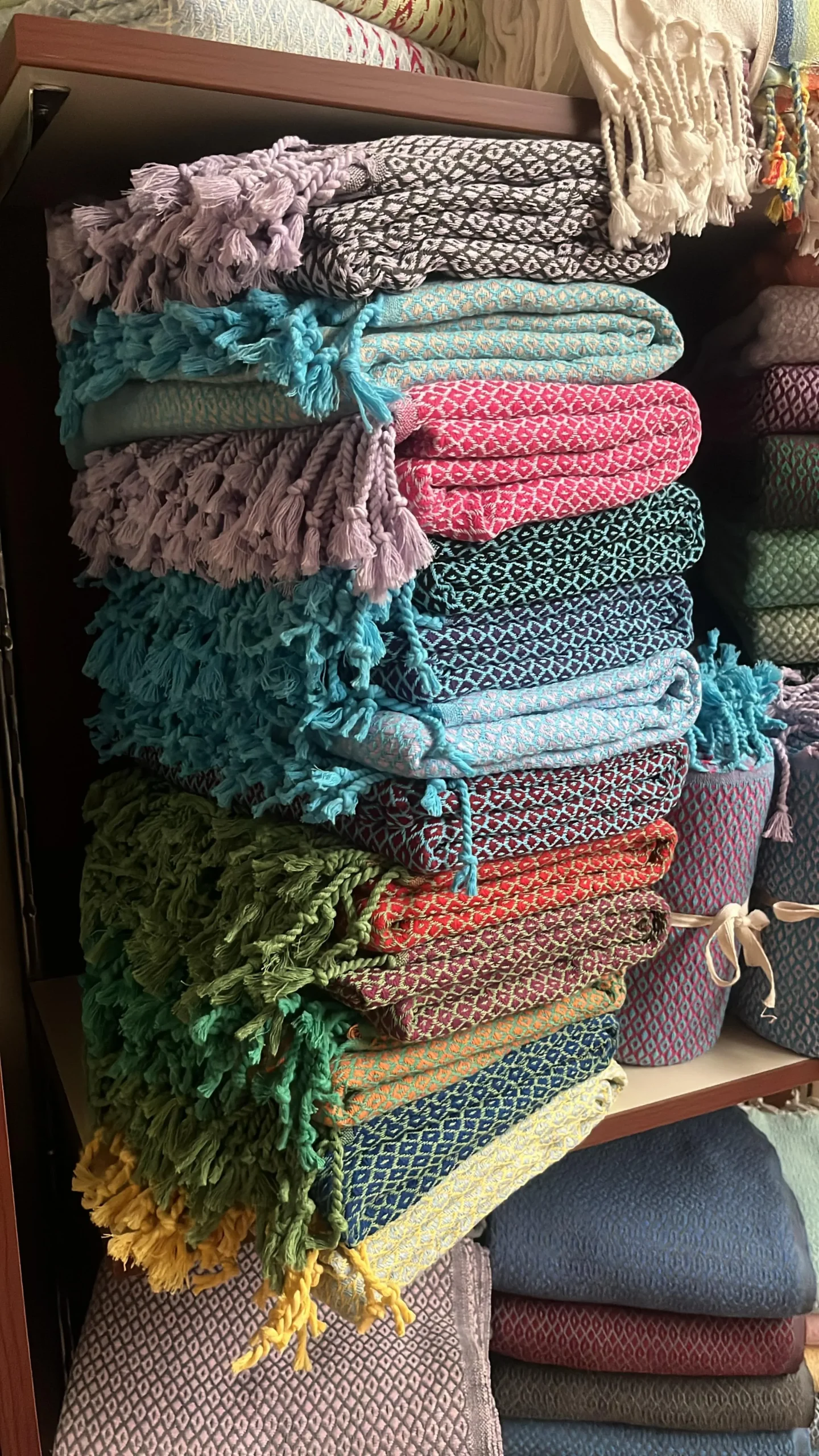
Color is one of the strongest selling points in peshtemal collections. OEM buyers should think in collection groups rather than random single colors.
A strong private label peshtemal collection usually includes a balanced mix of neutral shades, seasonal tones and signature brand colors.
Private Label Branding Options
OEM peshtemal production can include woven labels, hang tags, packaging, custom colour combinations and brand-specific presentation.
Branding should be selected according to the product level and buyer’s market. For some retail brands, packaging is very important. For hotel or spa use, durability and clean presentation may matter more.
Buyers can also review our Towel Embroidery & Logo Branding Guide for a detailed explanation of embroidery, woven labels, jacquard branding and retail presentation methods.
MOQ and Production Reality
MOQ in peshtemal production is connected to yarn preparation, weaving setup, dyeing or yarn-dyed structure, finishing and packing efficiency.
Very small quantities can increase unit cost and make custom production less stable. A realistic OEM production plan helps keep quality, price and lead time under control.
Production Approval and Quality Control
For private label peshtemal orders, production approval is an important step. The buyer should review the first finished pieces to confirm color, weaving structure, label placement and finishing quality before the full bulk order is completed.
Quality control should include fabric structure, measurements, fringe finishing, label application, packing and overall consistency.
Buyers can also review our How Private Label Turkish Towel Manufacturing Works guide for a broader overview of OEM production approval systems, quality control procedures and private label manufacturing workflows.
Export-Ready Packaging and Shipping
After production approval and final control, peshtemals are prepared for export according to the buyer’s requirements. This can include bulk packing, retail-ready packaging, carton labeling and shipment documentation.
A reliable manufacturer should guide the buyer through the full process from product development to shipment.
Planning an OEM Peshtemal Collection?
At NESIS, the company behind SaleTurkishTowels.com, we help brands and distributors develop private label peshtemal and fouta collections with scalable OEM production from Türkiye. From weaving structure and color development to branding, packaging and export execution, we support buyers throughout the complete production process.
Buyers can also review our How Private Label Turkish Towel Manufacturing Works guide to better understand OEM production planning, branding systems and production approval processes.
Request OEM Peshtemal Quote