
Private Label Towel Manufacturing
How Private Label Turkish Towel Manufacturing Works
Building a successful towel collection is not only about choosing a soft fabric. The right GSM, weaving structure, MOQ, branding method and production approval system all affect the final result, cost and long-term scalability of the product. For buyers planning a complete OEM structure, this private label Turkish towels OEM guide can also help clarify the full process before production.
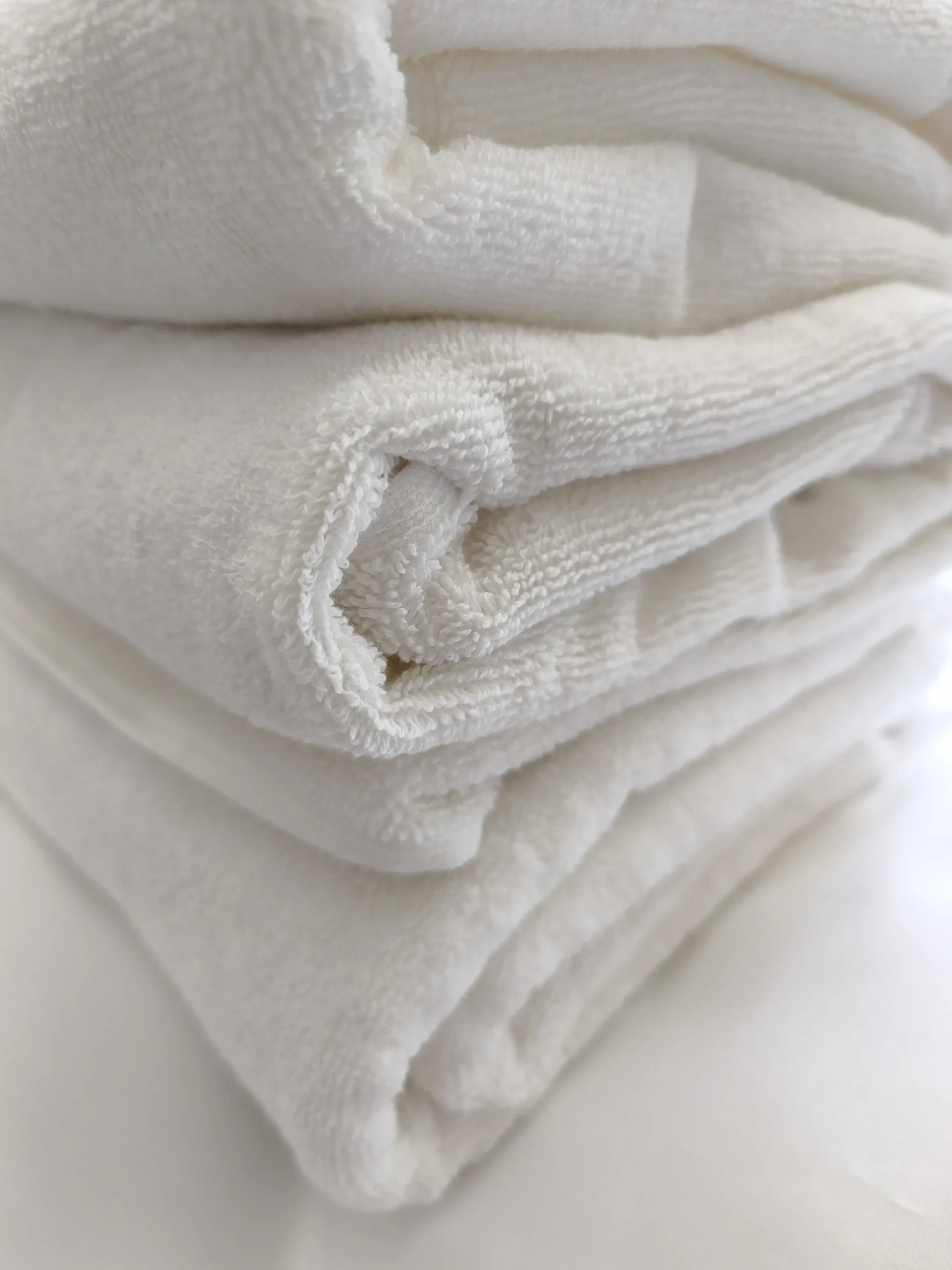
For brands, hotels, distributors and importers, private label towel manufacturing should start with a realistic production plan. Many towel projects become difficult not because the product idea is weak, but because the first production structure is not aligned with weaving, dyeing, MOQ, branding and shipment realities.
1. Private Label Towel Manufacturing Starts with the Right Product Direction
A towel for a boutique hotel, a beach brand, a spa concept or a premium retail collection should not be developed with the same structure. Each market requires a different balance between softness, absorbency, drying time, durability, weight and price.
Hotel & Hospitality
Durability, wash resistance, absorbency and consistent supply are the main priorities.
Retail Brands
Handfeel, visual identity, packaging and brand perception become more important.
Beach & Resort
Design, colour, weight, drying speed and carrying comfort should be balanced carefully.
2. Why MOQ Matters in Towel Production
MOQ is not only a commercial rule. In real manufacturing, MOQ is connected to yarn preparation, dyeing efficiency, loom setup, colour consistency and finishing costs. Very small quantities can increase the unit cost and may create an unstable first production model.
For this reason, a smart pilot order should still be production-based. It should be large enough to show the real fabric structure, real branding result and real bulk production quality. Buyers planning OEM development can also review our OEM peshtemal production process in Türkiye to understand how private label production is structured for woven towel and peshtemal collections.
3. GSM, Yarn and Weaving Structure Should Match the Target Market
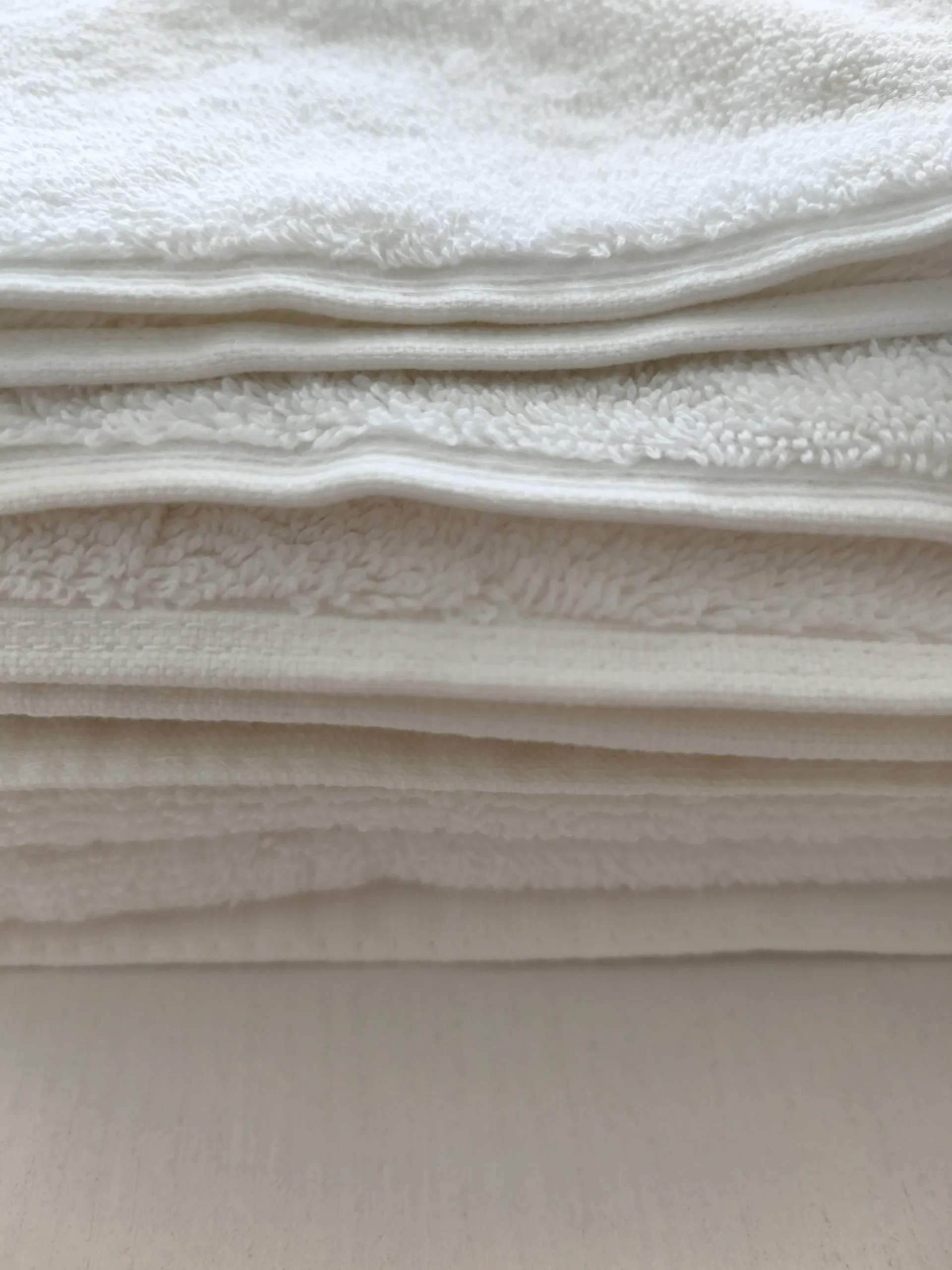
A heavier towel is not always the better towel. A 700 GSM towel can feel dense and luxurious, but it may dry slower. A 450–550 GSM towel can be more practical for hotels, wellness spaces and fast-rotation use when the yarn and weaving structure are selected correctly.
This is why we guide buyers according to their target market instead of offering one standard towel for every project. The correct choice depends on use case, washing conditions, price target and customer expectation.
4. Branding Options Should Be Selected Before Production
Private label towel production can include woven labels, embroidery, jacquard designs, custom borders, packaging and colour development. However, each branding method has a different effect on MOQ, production time and cost. For a deeper explanation of logo placement, label methods and embroidery options, buyers can review our towel embroidery, logo and branding guide.
Common private label options include:
- Woven label application
- Embroidery logo placement
- Jacquard woven design
- Custom yarn-dyed stripe structure
- Retail packaging or hotel bulk packing
5. Production Approval Reduces Risk
A strong production system should not move blindly from payment to shipment. For custom and private label orders, the first finished pieces from the actual production are an important control point.
This allows the buyer to review the real towel quality, branding position, colour direction and finishing before the full production is completed. It creates a safer process for both the buyer and the manufacturer.
6. A Good Manufacturer Should Also Guide the Buyer
The role of a private label towel manufacturer is not only to produce what is requested. A reliable production partner should also help the buyer avoid unrealistic structures, unsuitable GSM choices, inefficient MOQ splits and unnecessary cost increases.
At NESIS, the company behind SaleTurkishTowels.com, our approach is to help brands build realistic and scalable towel collections. We focus on production logic, quality consistency and long-term repeatability rather than one-time catalogue selling.
Planning a Private Label Towel Collection?
We help brands, distributors and wholesale buyers develop private label towel collections with professional OEM support, branding solutions and scalable production from Türkiye. Buyers can also review our Private Label Turkish Towels OEM Guide 2026 before planning their next collection.
Request Private Label Quote